The motorcycle. A symphony of engineering, a dance of balance, a thrilling blend of freedom and precision. Few sensations compare to railing through a perfect turn, the world tilting, the tires gripping, your machine responding with seamless grace. What’s happening beneath you, at that delicate interface between rubber and road, is a sophisticated interplay of physics and rider input, primarily governed by Motorcycle Lean Angles & Counter-Steering. This isn't just advanced technique; it's the fundamental language of cornering that every rider, from novice to expert, must speak fluently for safer, sharper, and ultimately more enjoyable rides.
At a Glance: Mastering the Art of the Lean
- Leaning is Essential: To turn a motorcycle at speed, you must tilt it into the curve, balancing gravity with the force pulling you outward.
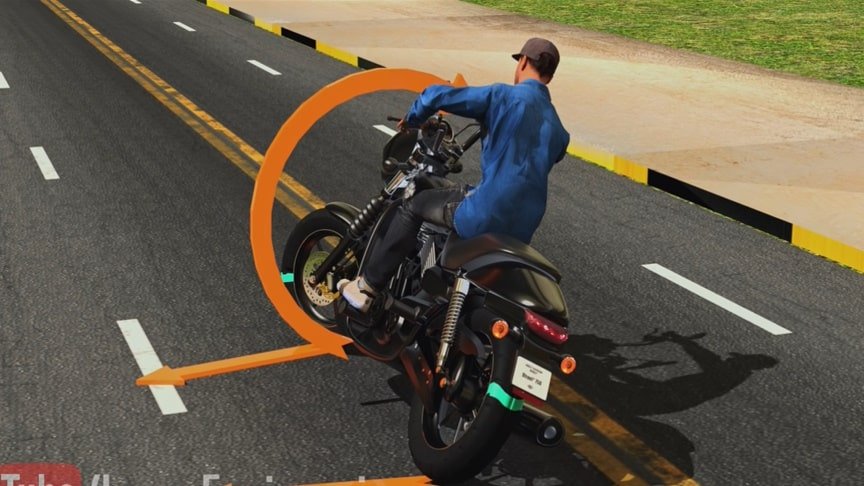
- Counter-Steering Initiates the Lean: At speeds above roughly 12 mph, you initiate a lean by briefly pushing the handlebar forward on the side of your desired turn (e.g., push right to turn right). This counter-intuitive input steers the front wheel momentarily in the opposite direction, causing the bike to lean.
- Gyroscopic Effect is Key: The spinning wheels create gyroscopic forces that make counter-steering effective and necessary at speed.
- Throttle Control Matters: Smooth, consistent throttle application (especially "neutral throttle" mid-turn) stabilizes the bike and maximizes tire grip.
- Body Position Helps: Shifting your weight toward the inside of the turn allows the bike to maintain a shallower lean angle for the same turn radius, preserving valuable tire grip.
- Look Where You Want to Go: Your eyes are your most powerful steering tool. Actively looking through the turn to the exit guides your inputs and line.
- Practice Makes Perfect: These are learned skills. Consistent, mindful practice in a safe environment is the only path to mastery.
The Art and Science of Motorcycle Lean Angles
Imagine trying to turn a bicycle at speed without leaning. You'd fall over, right? A motorcycle, a single-track vehicle, faces the exact same challenge. When you enter a turn, you're not just changing direction; you're introducing centripetal force – the force that pulls you toward the center of the curve. To counteract this force and prevent you from simply falling outward, the motorcycle and rider must tilt, or lean, inward toward the center of the curve.
This lean is a delicate balancing act. It ensures your combined center of mass (the bike plus you) remains precisely aligned over the tire contact patches. Think of it like a tightrope walker using a pole: they shift their center of gravity to maintain equilibrium. For a motorcycle, the maximum lean angle is a critical limit, determined by the available friction between your tires and the road surface. Pushing beyond that limit means exceeding the tires' grip, leading to a slide or a crash. Understanding this fundamental principle is the first step toward confident cornering.
Counter-Steering: Your Secret Weapon for Cornering
While leaning is the what, counter-steering is the how. It's the often-misunderstood, yet utterly crucial, technique for initiating that essential lean.
What is Counter-Steering? (And Why It Feels Backwards)
At low, walking-pace speeds, turning a motorcycle feels like turning a bicycle: you simply turn the handlebars in the direction you want to go. But once you pick up speed, that direct input stops working. The bike resists. This is where counter-steering comes in.
To initiate a turn to the right, you don't turn the handlebars right. Instead, you briefly push forward on the right handlebar. This momentary input causes the front wheel to steer slightly to the left. Yes, opposite the desired turn. This brief steering input moves the front tire's contact patch out from underneath the motorcycle's center of mass, making the bike immediately "fall" or lean into the desired right turn. Once the lean is established, the front wheel can be steered slightly into the turn, but the initial input and often the sustained steering torque are opposite.
The Mechanics of the Lean (Gyroscopic Precession in Action)
Why does this seemingly backward input work? The answer lies largely in the fascinating world of gyroscopic forces. The spinning wheels of your motorcycle act like giant gyroscopes. Gyroscopes resist changes to their orientation, which is why a motorcycle feels so stable at speed. However, when you apply a force (like pushing on a handlebar), the gyroscope reacts not directly to that force, but at 90 degrees to it – a phenomenon called gyroscopic precession.
So, when you push the right handlebar (steering the front wheel briefly left), the gyroscopic forces "precess" and cause the motorcycle to lean right. The harder and longer you push, the faster and deeper the lean. This gyroscopic inertia is why counter-steering becomes effective and necessary generally above 12 miles per hour. Below that speed, the gyroscopic effect is minimal, and you simply steer the handlebars in the direction you want to go, much like a bicycle.
Understanding this mechanism isn't just academic; it's vital. Many motorcycle accidents, particularly those involving emergency swerves, stem from a rider's hesitation or lack of skill in deliberate counter-steering. It's an instinctive action for experienced riders, but it must be learned and practiced consciously.
Mastering the Input: How to Counter-Steer Effectively
Counter-steering isn't a violent shove; it's typically a smooth, firm, and brief push. Think of it as pushing the grips away from you.
- For a right turn: Push forward on the right handlebar.
- For a left turn: Push forward on the left handlebar.
The amount and duration of this push directly determine the rate and degree of the lean angle. A quick, firm push yields a quick, deep lean, perfect for emergency swerves. A gentle, sustained push creates a smoother, more gradual lean for everyday cornering. Experiment safely at different speeds to feel how your bike responds to varying inputs. This skill is foundational for any serious riding, including learning how to master the outside turn on the track or canyon road.
Beyond the Initial Lean: Refining Your Cornering Line
Once you've initiated the lean with counter-steering, the work isn't over. Maintaining stability and refining your path through the curve involves three equally critical techniques.
The Power of the Throttle Hand
Your throttle isn't just for acceleration; it's a powerful tool for chassis control and tire grip, especially when leaned over.
- Smooth, Consistent Input: Abrupt throttle changes while leaned can dramatically upset your bike's balance and traction.
- "Neutral Throttle" Mid-Turn: As you pass the apex of the turn, maintaining a smooth, consistent throttle input—neither accelerating nor decelerating—is often ideal. This neutral throttle stabilizes the suspension by loading the driveline, which maximizes rear tire traction and keeps the bike composed.
- Accelerating Out of the Turn: Once you see your exit, gradually increase throttle. This slight acceleration helps the bike stand up from its lean, providing stability and driving you smoothly out of the curve. Chopping the throttle mid-corner, conversely, can unload the rear tire, reducing grip and potentially causing a slide.
Body Position: Leaning with Your Bike, Not Just On It
While the bike leans significantly, you, the rider, can influence the lean angle and overall stability through subtle body shifts.
- Shift Weight Inward: By shifting your body weight slightly toward the inside of the turn (e.g., moving your upper body and head toward the inside mirror), you move the combined center of gravity of the bike and rider further inward.
- Benefits: This seemingly small shift allows the motorcycle to maintain the necessary centripetal force with a shallower bike lean for a given speed and turn radius. Why is this good? A shallower bike lean means you're using less of your tire's maximum grip, preserving a crucial safety margin. This technique is key to mastering the outside turn and maintaining composure even when conditions are less than ideal.
Vision: Steering with Your Eyes
This might be the most underestimated tool in a rider's arsenal. Where you look is where you and your bike will go.
- Look Through the Curve to the Exit: Riders often make the mistake of looking just in front of their tire or at the pavement directly in the curve. Instead, actively scan through the curve, focusing on the exit point. Your body, and thus your motorcycle, will naturally follow your gaze.
- Enables Continuous Adjustment: This forward vision allows your brain to process the turn's radius, road conditions, and potential hazards much earlier. It enables continuous, minor adjustments to steering, throttle, and lean angle, resulting in a smoother, safer, and more accurate line through the turn. It helps avoid "target fixation," where you stare at a hazard and inadvertently steer towards it.
Slow Speed vs. High Speed: When Things Change
The way you turn a motorcycle fundamentally changes depending on your speed.
- "Bicycle Method" (Walking Pace/Very Low Speed): Below approximately 12 mph, the gyroscopic effect of the spinning wheels is minimal. At these speeds, you simply turn the handlebars in the direction you want to go, much like you would a bicycle. This is crucial for navigating parking lots, tight U-turns, and congested traffic.
- Counter-Steering (Higher Speeds): As discussed, once you're above that ~12 mph threshold, gyroscopic inertia takes over, making the motorcycle inherently stable but difficult to turn by simply steering the handlebars. This is where counter-steering becomes the only effective and safe method for changing direction. Trying to "steer" a motorcycle at speed like a bicycle will result in delayed, inadequate, and potentially dangerous inputs.
Common Cornering Challenges and How to Overcome Them
Even with a solid understanding of lean angles and counter-steering, riders encounter common hurdles.
The "Chicken Strip" Dilemma
"Chicken strips" refer to the unused rubber on the outer edges of a motorcycle tire, indicating that the rider isn't leaning the bike to its full potential. While not every rider needs to scrape pegs, wide chicken strips can suggest a lack of confidence in lean angles, or perhaps a riding style that doesn't fully utilize the bike's capabilities.
Overcome It: Confidence builds with practice. Find safe, open spaces to practice progressively deeper leans. Focus on smooth counter-steering inputs and maintaining consistent throttle. Consider a riding course, which provides a controlled environment to explore these limits.
Target Fixation Traps
Staring at a pothole, gravel patch, or approaching guardrail is a natural human reaction, but it's deadly on a motorcycle. Your bike tends to go where you look.
Overcome It: Consciously force yourself to look around the hazard, toward your desired escape path or the clear road ahead. Use your peripheral vision for the hazard, but keep your primary gaze fixed on where you want to go. This is a skill that takes active mental effort to develop.
Emergency Maneuvers: Swerving with Confidence
An unexpected obstacle demands an immediate, decisive direction change. This is precisely where practiced counter-steering can save your life.
How To: To swerve right, you'll execute a sharp, firm, momentary push on the right handlebar. This will rapidly lean the bike right, allowing you to change direction quickly. To recover and straighten, you'll apply an equally sharp push on the left handlebar to initiate a lean back to the left, standing the bike up. The faster you act and the more precise your input, the more effective the swerve. This ability to make quick, precise directional changes is a cornerstone of advanced riding and crucial for situations like needing to master the outside turn in a sudden emergency.
Debunking Myths & Common Questions
Let's clear up some common misunderstandings about lean angles and counter-steering.
"Do I really push opposite to turn?"
Yes, absolutely. This is the core principle of turning a motorcycle at speed. While the front wheel eventually points slightly into the turn when leaned, the initial input to get the bike to lean comes from pushing the handlebar in the opposite direction. It feels counter-intuitive at first, but physics demands it.
"Isn't it dangerous to lean so far?"
Leaning itself isn't dangerous; exceeding your tire's available grip is. A motorcycle is designed to lean. In fact, resisting the lean can be more dangerous as it forces you to slow down excessively or run wide. Modern tires and motorcycle designs allow for impressive lean angles, and physics works with you, not against you, to maintain stability when leaned correctly.
"What if I hit gravel while leaned?"
This is a rider's nightmare. The key is smooth, gentle inputs. Avoid sudden braking or throttle chopping. Try to keep the bike upright as much as possible, gently steer through the loose patch, and keep your vision focused on the clear road ahead. Abruptly trying to correct a slide can often make it worse. Your best defense is prevention: constantly scan the road for hazards and adjust your line or speed before entering a challenging section.
"How much lean is too much?"
The practical limit is dictated by the available friction between your tires and the road surface, as well as the mechanical limitations of your bike (e.g., hard parts scraping). On a typical street, you'll rarely approach these absolute limits. The "too much" point is subjective and depends on your skill, tire condition, road surface, and speed. Always ride within your comfort zone and skill level.
From Theory to Twisties: Putting it All Together
Understanding the theory behind Motorcycle Lean Angles & Counter-Steering is a powerful start, but true mastery comes from practice. Every turn you take is an opportunity to refine these skills.
- Start Small: Begin by practicing counter-steering gently at moderate speeds in a safe, open area like a deserted parking lot. Feel how the bike responds to your pushes.
- Focus on Smoothness: Jerky inputs are the enemy of stability. Strive for smooth, deliberate actions with the throttle, steering, and brakes.
- Look Far Ahead: Make "look where you want to go" your constant mantra. This single habit will dramatically improve your line selection and overall confidence.
- Seek Professional Training: The single best thing you can do to accelerate your learning and build confidence is to enroll in an advanced rider training course. Instructors can provide immediate feedback and guide you through drills that safely push your boundaries. These courses are invaluable for any rider looking to truly master the outside turn and become a more skilled, safer rider.
- Ride Within Your Limits: There's no shame in taking a turn a little slower or with a bit less lean. The goal is to arrive safely and enjoy the ride. As your skills grow, so too will your limits.
Mastering lean angles and counter-steering isn't just about going faster; it's about becoming a more intuitive, safer, and ultimately more connected rider. It transforms your motorcycle from a simple machine into an extension of your will, allowing you to carve through the world with precision and exhilarating grace. Get out there, practice deliberately, and enjoy the ride!